BatteryPower Bank Custom Design & Product Development (Electronic)
Specificities of Battery Power Banks / Portabe Charger
Power banks are portable energy storage devices designed to charge various electronic gadgets such as smartphones, tablets, and wearable devices. Key specificities include:
- Portability: Compact and lightweight designs to ensure easy transport.
- Battery Capacity: Measured in milliampere-hours (mAh), ranging from 5,000mAh to over 30,000mAh, depending on the target market.
- Output Ports: Multiple USB, USB-C, or wireless charging options to cater to various devices.
- Fast Charging: Compatibility with technologies such as Quick Charge (QC) and Power Delivery (PD) for rapid device charging.
- Safety Features: Built-in protection circuits to prevent overcharging, overheating, and short circuits.
These specificities make power banks a versatile solution for modern consumers, ensuring reliable power availability anytime, anywhere.
Challenges of Developing Power Banks
Developing a power bank presents several technical and logistical challenges:
- Battery Selection: Choosing between lithium-ion and lithium-polymer cells impacts capacity, size, and safety.
- Thermal Management: Heat generated during charging and discharging must be effectively dissipated to ensure user safety and battery longevity.
- Energy Efficiency: Minimizing energy losses during power conversion to maximize output efficiency.
- Compatibility: Supporting a wide range of devices with varying charging requirements, including smartphones, tablets, and laptops.
- Compliance: Meeting international safety and environmental standards, such as CE, FCC, and RoHS.
- Design Durability: Ensuring the enclosure is resistant to physical damage while maintaining an attractive aesthetic.
Addressing these challenges requires a multidisciplinary approach involving electrical, mechanical, and industrial design expertise.
Norms and Standards to Consider When Designing a Power Bank
Regulatory compliance is essential in power bank development to ensure safety, reliability, and market accessibility. Key standards include:
- UL 2056: Safety standard for portable power banks, focusing on battery protection and enclosure integrity.
- IEC 62133: Specifies safety requirements for rechargeable cells used in power banks.
- CE Marking: Required for European markets to ensure the product meets safety, health, and environmental protection standards.
- FCC Compliance: Ensures the power bank does not cause harmful interference to communication systems in the US.
- RoHS: Restricts the use of hazardous substances in electronic devices.
- UN 38.3: Ensures lithium batteries can be safely transported by air.
Adhering to these standards not only ensures user safety but also simplifies the certification process and enables global market entry.
The Different Parts of a Power Bank
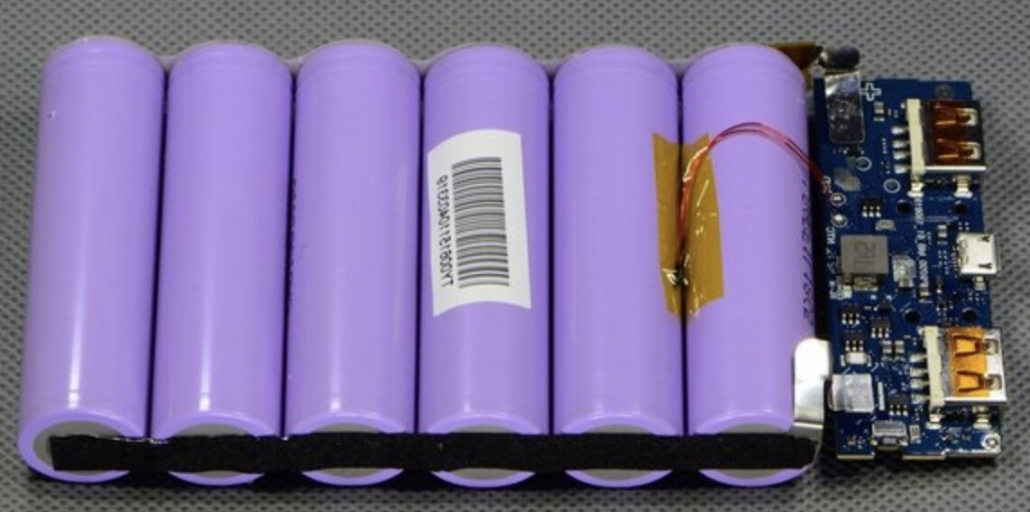
A power bank consists of several critical components, each playing a specific role in its functionality:
- Batteries: Typically lithium-ion or lithium-polymer cells, responsible for storing energy. The number and type of cells determine the capacity and form factor.
- PCB (Printed Circuit Board): Houses control circuits, charging modules, and safety features such as overcharge protection and short circuit prevention.
- Input and Output Ports: Includes USB-A, USB-C, micro-USB, or wireless charging pads for energy transfer.
- Controller ICs: Manage charging, discharging, and power distribution across devices.
- Enclosure: The outer casing made of plastic, metal, or composite materials, providing protection and aesthetic appeal.
- Display or Indicators: LED or LCD displays showing battery level, charging status, and other relevant information.
Each component must be carefully selected and integrated to ensure optimal performance, safety, and user experience.

The Importance of Well-Designing a Power Bank
A well-designed power bank offers multiple benefits, including:
- User Safety: Incorporating robust protection features prevents accidents such as overheating, fire, or battery explosions.
- Reliability: Ensuring consistent performance under different usage conditions builds trust and enhances brand reputation.
- Marketability: Attractive and ergonomic designs appeal to consumers and create a competitive edge in a crowded market.
- Cost Efficiency: Streamlined manufacturing processes and material selection minimize production costs without compromising quality.
- Environmental Responsibility: Adhering to RoHS and other environmental standards reduces ecological impact.
A well-designed power bank not only meets but exceeds customer expectations, ensuring longevity and customer loyalty.
Ready to Bring Your Power Bank Project to Life?
Whether you have a concept or are ready to begin development, our team of experts is here to turn your vision into reality. With deep industry expertise, innovative design capabilities, and a commitment to quality, we ensure your power bank product stands out in the market.
Let’s work together to create a power bank that exceeds customer expectations, meets regulatory standards, and achieves market success.
Your next innovation starts here. Contact us today!
Tags: power bank electronic development, powerbank, powerbank design, powerbank development

